
How Arrest Warrants Work in Austin County
Under Texas Code of Criminal Procedure Chapter 15, an arrest warrant is a written order from a magistrate to a peace officer. A sworn complaint and a probable-cause review come first. The order authorizes an arrest. It settles nothing about how the case ends. Depending on the charge, Austin County matters run through a magistrate, county or district court, JP court, or municipal court. Whichever court issued the warrant controls the docket and the next step.
Austin County Chapter 15 Warrant Steps
Chapter 15 builds the basic framework. It sets rules for the written order, the sworn complaint, the summons, execution, and the notice back to the issuing authority. A summons can sometimes replace the arrest warrant. But missing a required appearance after a summons can bring further process. The paperwork should name the issuing court. It should also show the event that brought the person into the case, since no Austin County agency applies for or serves every warrant. For the rules themselves, Texas Chapter 15 is the controlling statutory reference.
Arrest Warrants: What They Contain
Austin County publishes no sample arrest-warrant entry to inspect. What a warrant contains comes from statute instead. Expect the person, the offense, and the issuing magistrate. The real document sits in the court file rather than on any public list.
| Case key | Example only: cause number; Austin County’s local warrant-number format was not verified. |
|---|---|
| Person description | Name or description required by statute; a public schema should not expose sensitive identifiers. |
| Offense | Chapter 15 calls for the offense statement on the written order. |
| Issuing authority | Identifies the magistrate and court handling the process. |
| Bond or appearance | Case-specific instructions; ask the issuing court or counsel. |
| Date and status | Confirm issue, service, recall, and disposition entries with the court. |
Austin County Clerk Routes by Case Level
Which clerk you need depends on the case level. The County Clerk page covers county-level criminal and misdemeanor records. Felonies are different. After a grand-jury indictment, the District Clerk tracks the felony case. The County Court at Law page also lists misdemeanor matters and appeals from JP or municipal courts. No single desk holds every Austin County arrest file. A copy request can pull a document. Only the court can say whether a warrant is still active.
How Warrants Get Served in Austin County
In Austin County, the Sheriff, a city police department, or another authorized peace officer may execute a warrant. The issuing court makes the order. The serving agency may keep an execution or booking record, while the clerk keeps the court file. No single county warrant unit handles every case, and cities arrange their own service. Ask the issuing court which agency holds the return. Custody questions go to the jail. After an arrest, magistration and release conditions follow the applicable law and the facts of the case.
Austin County Warrant Portal Access
The county-linked Tyler portal answers some visitors with a 403 access-denied error. Both the County Clerk and the District Clerk link to it from their own pages, yet no search fields or sample arrest warrant record ever load. That error is not proof a case or warrant is missing; it only means the door did not open. For the real answer, use the Sheriff contact page to reach the right agency, and ask the proper clerk about the court file. Austin County publishes more than one Sheriff phone number, so confirm the current one before you drive over.
Arrest Warrants, Summonses, and Bench Warrants
These processes differ in real ways. A summons directs an appearance rather than commanding an arrest. A bench warrant or FTA process may follow a missed court obligation. An arrest warrant follows the Chapter 15 process for an alleged offense, and the bench warrant lookup covers missed-date routing in Austin County.
| Feature | Arrest Warrant | Summons | Bench Warrant |
|---|---|---|---|
| What it orders | Arrest under a written order. | Appear at a date or time. | Respond to a missed court obligation. |
| Basis | Sworn complaint and probable cause. | Statutory court process. | FTA, noncompliance, or court order. |
| Who issues it | Magistrate or authorized court. | Court or magistrate. | Court that set the required event. |
| How to respond | Ask about counsel, bond, and appearance. | Follow the listed appearance instruction. | Ask the court about reset, recall, or appearance. |
Austin County Federal Warrant Boundary
Austin County sits in the Southern District of Texas, Houston Division. Federal warrants are a separate track. The Austin County Sheriff and the county clerk portals do not search them. Federal files have their own limits. Some records stay sealed or stay private until execution, and the Southern District jurisdiction page confirms where Austin County falls.
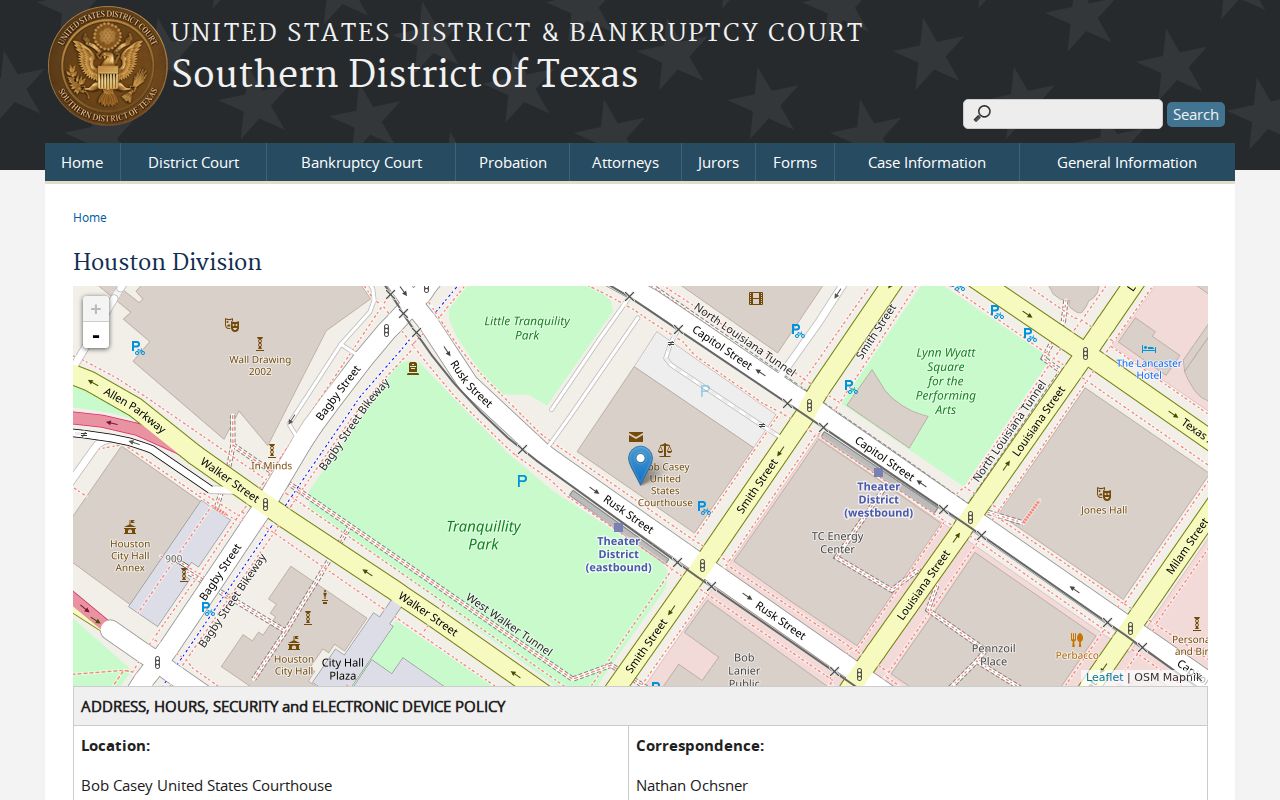
That division placement gives Austin County context, not a warrant result. A status question needs the federal court or counsel. Public docket access is not a warrant search either. PACER explains federal record-search fees, yet PACER does not index sealed or unserved warrants.
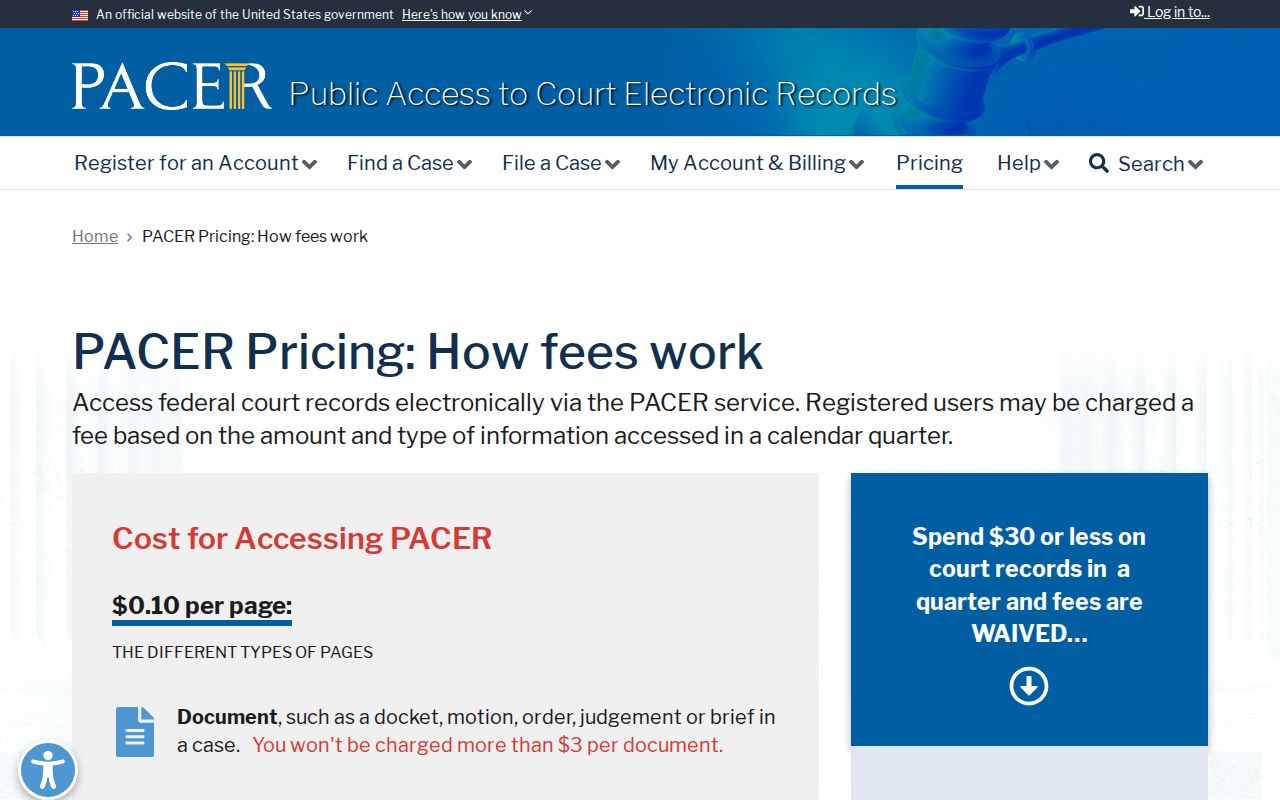
PACER's fee page spells out what a federal docket search costs to run. It offers no Austin County warrant list.
Austin County Booking and Warrant Records
A booking record and a live warrant entry are not the same thing. The ACSO jail page offers contact and visitation details, not a public warrant or inmate search. Where is a person held? That question goes to the official jail contact. Whether Austin County court process remains active is a question for the issuing court. For custody and visitation, call 979-865-5321. The page publishes no bond window or payment schedule. Keep the agency answer and the court answer separate, and note that the Austin County Sheriff's Office jail information page is an operations resource, not a court docket.
Handling an Arrest Warrant in Your Name
An Austin County judge can confirm a warrant in minutes. Ask a lawyer before you act. Together you can plan a safe appearance, sort out bond, or move the court to recall or quash the warrant. The Sheriff may hold the execution record, yet the case belongs to the court. Booking, release, bond, and disposition each stand apart. The county overview lays out the court-first resolution steps for Austin County.
Important: Speak with counsel or the issuing court before traveling to an office; an active arrest warrant may be executed by an authorized peace officer.